

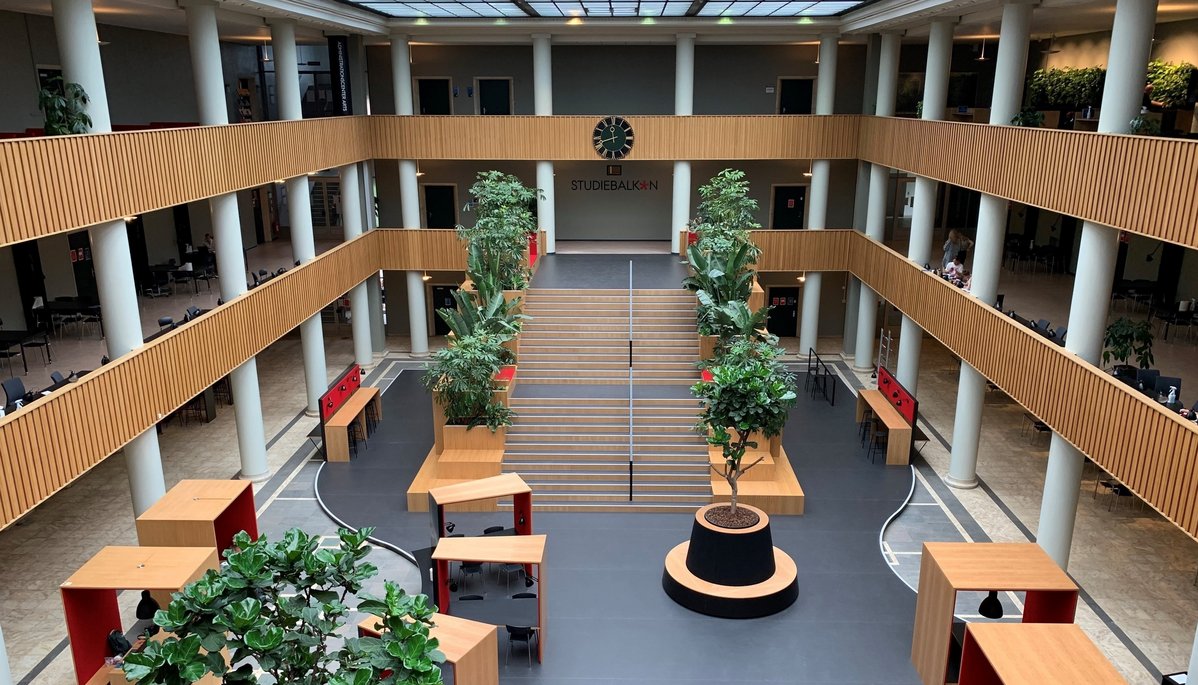
At the end of April the Annual OPEN Conference 2026 took place in Copenhagen. The conference brought together scholars from more than 40 countries to explore how shifting geopolitics - including the rise of new nationalisms - challenge academic freedom the openness of European higher education and research.
Through keynotes, critical dialogue and exchange, the conference examinated the implications of these transformations for the future of Europe, and considered how universities can remain spaces of academic freedom, collaboration, and democratic engagement.
A great thank you, to all of you who joined us in Copenhagen to contribute to this timely conversation at the intersection of politics, knowledge, and society.
On this page, you can find the programme, highlights and pictures from the conference.
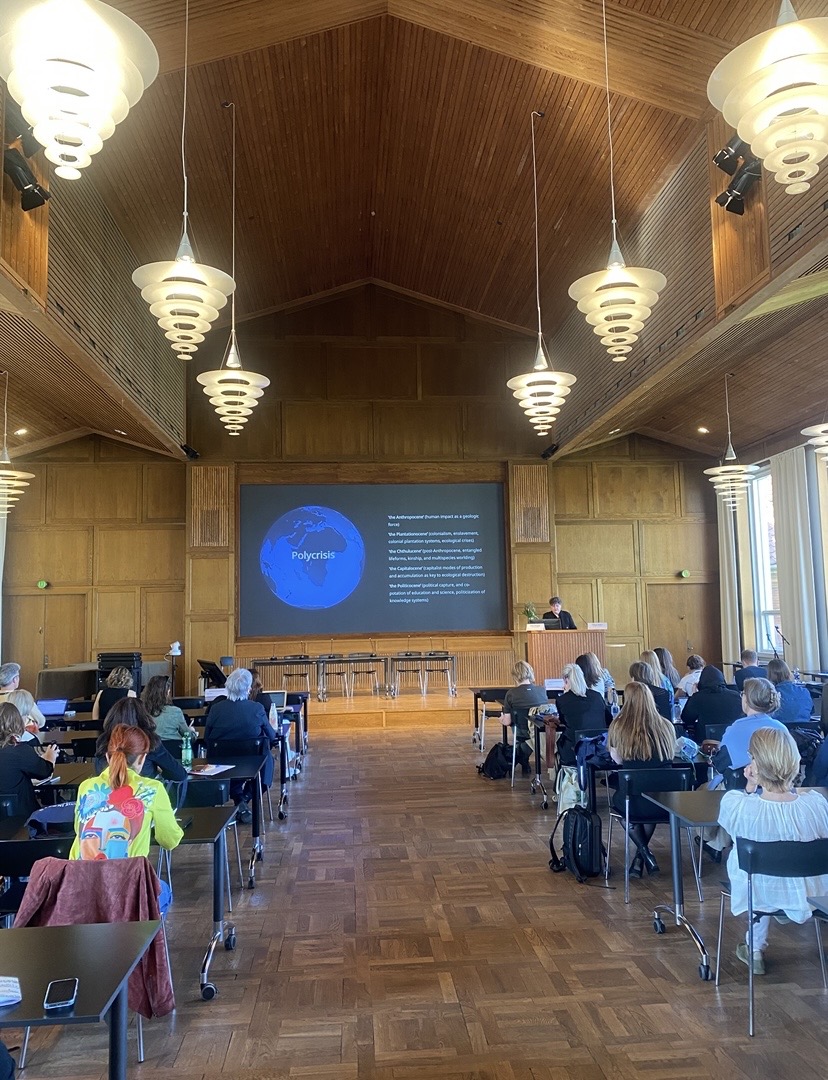
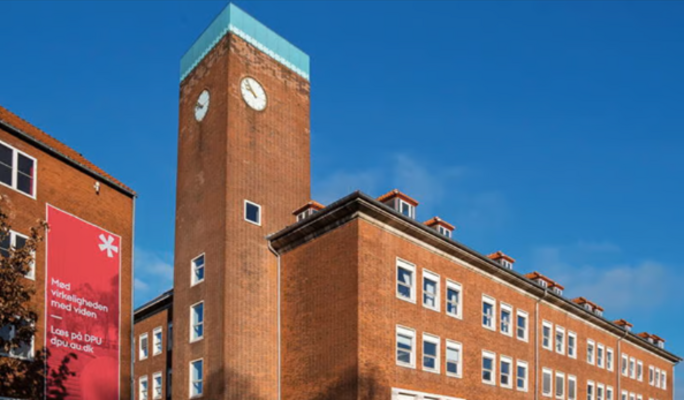
The conference will take place at:
Danish school of Education, Aarhus University
Campus Copenhagen
Tuborgvej 164, DK-2400 Copenhagen NV, Denmark
For more information about hotels and accommodation in Copenhagen, please scroll down.
If You have any questions regarding the conference, please contact Sofie Relster on [email protected]
9:30-10:00: Welcome coffee
10:00-12:00: Core Group Meeting
12:00-14:00: Lunch
14:00-16:00: Management Committee Meeting
16:00-17:00 Free time
17:00-18:30: Dinner at restaurant in Copenhagen: for CG + MC members (self-paid).
8:30-9:00: Welcome Coffee and Registration
9:00-9:15: Welcome
OPEN Chair Professor Katja Brøgger (Aarhus University) & OPEN Vice-Chair Reina Zenelaj Shehi (EPOKA University)
9:15-9:30: Introduction
Head of Danish School of Education, Claus Holm
Chair: Katja Brøgger
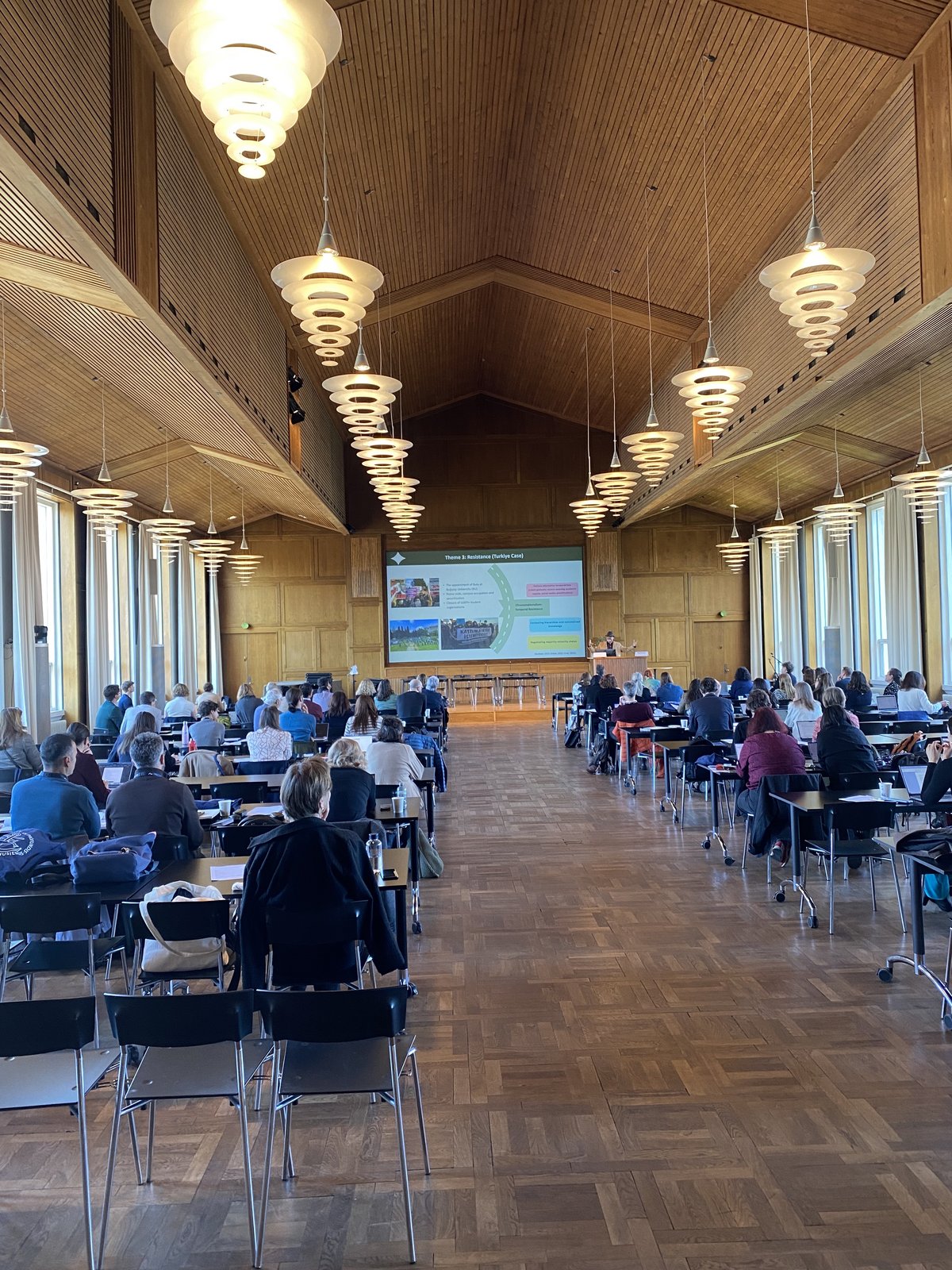
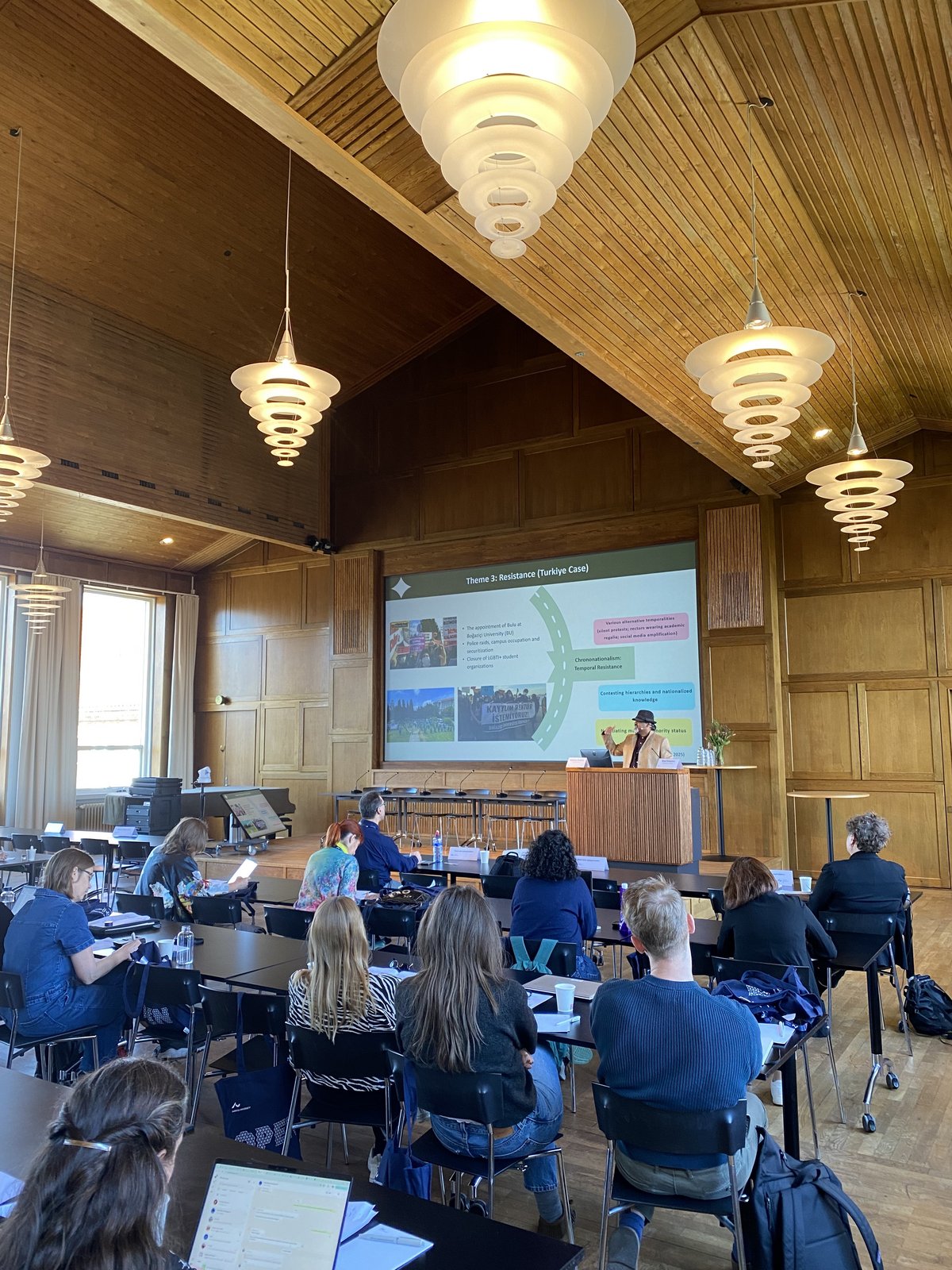
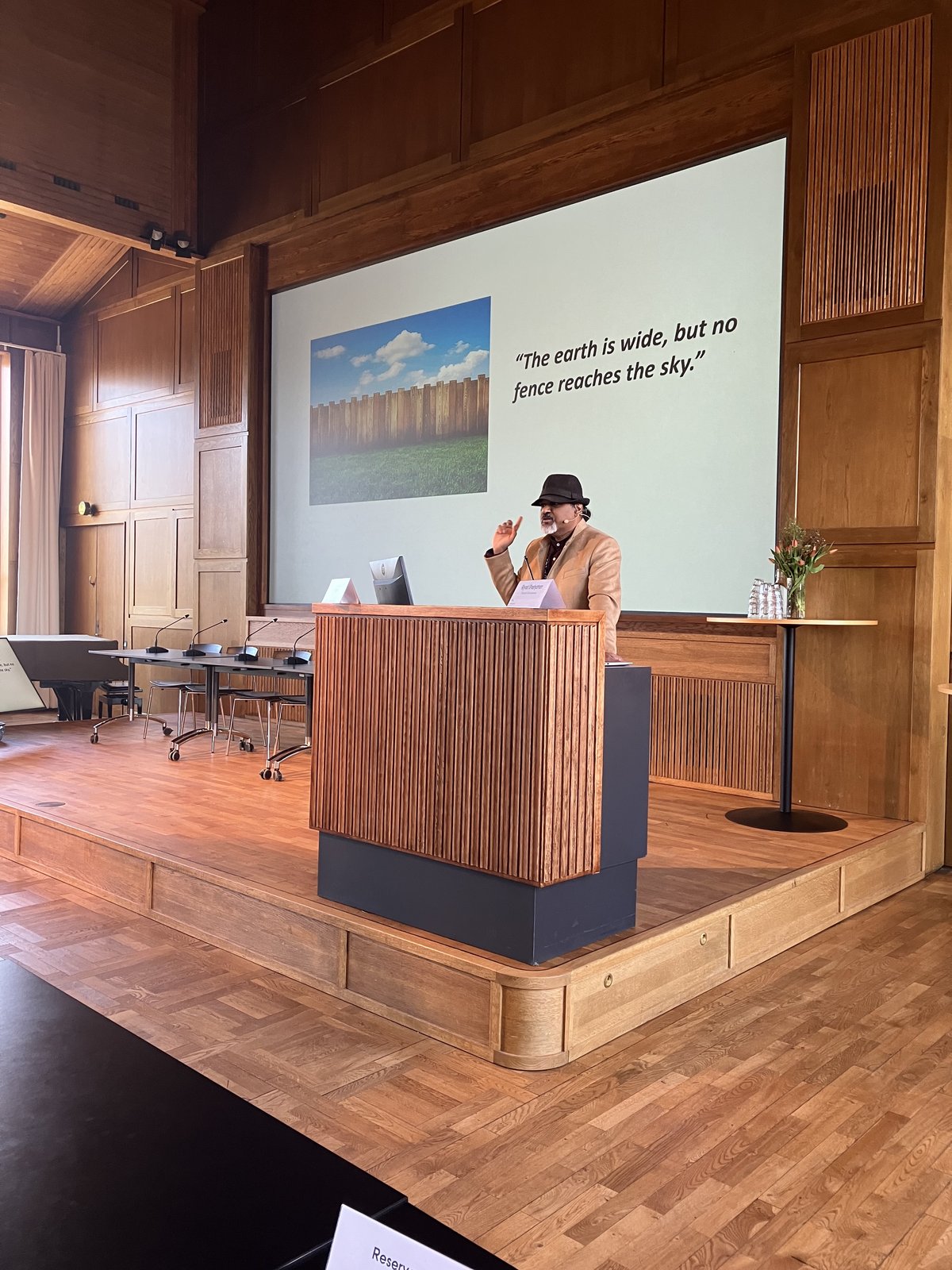
9:30-10:30: Keynote: Chrononationalism in Higher Education: Time, Nation-States, and Academic Freedom Across Global Contexts (open to public)
Professor Riyad Shahjahan (Michigan State University): Time, Nation-States, and Academic Freedom Across Global Contexts
This keynote explores how nation-states shape universities through the politics of time—a process I call chrononationalism. Across India, Türkiye, Hungary, and France, states embed selective histories, religious or secular narratives, and curricular reforms into higher education to align knowledge, governance, and moral authority with nationalist projects. These temporal interventions define who belongs to the “permanent majority” and who is marginalized or rendered a “permanent minority,” reshaping epistemic hierarchies and institutional rhythms. At the same time, faculty, students, and communities resist state-imposed timelines, enacting alternative temporalities that assert autonomy and preserve critical scholarship. By examining these dynamics, the talk illuminates how higher education both reflects and challenges nation-building logics, with direct implications for academic freedom, inclusion, and the governance of knowledge in a rapidly changing global landscape.
10:30-11:00: Coffee Break
11:00-12:30: Panel conversation: Universities, Nationalism, and Decolonial Futures (open to public)
Panelists: Michalinos Zembylas (Open University of Cyprus), in conversation with Riyad Shahjahan (Michigan State University), Jo Dillabough (Cambridge University), Hans Schildermans (University of Vienna), Rasmus Harsbo (Adam Mickiewicz University, Poznań) and Iram Khawaja (Aarhus University)
Opening and Chairing: Michalinos Zembylas (Open University of Cyprus)
12:30-13:30: Lunch break
13:30-15:00: Working Group Meetings
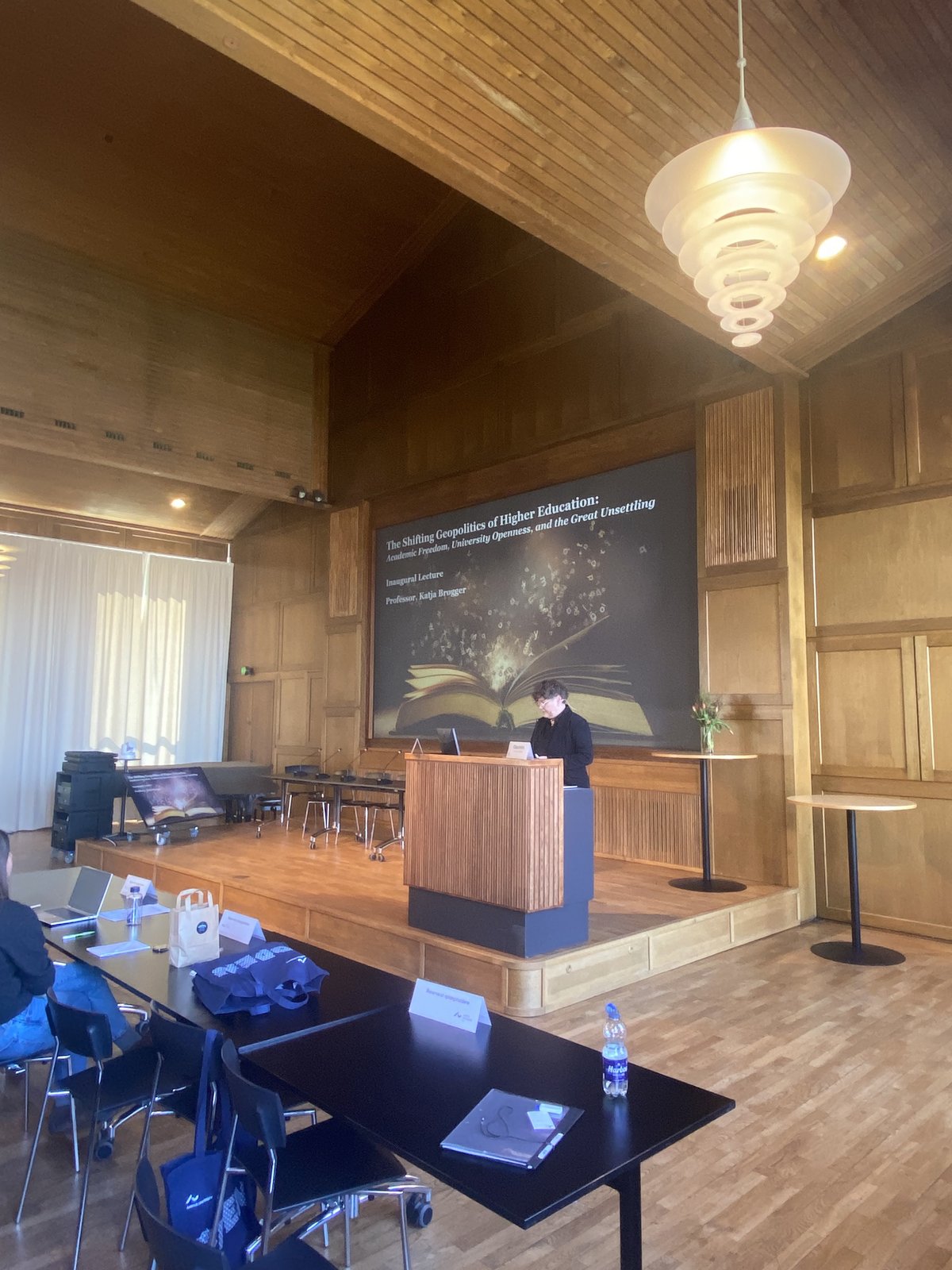
15:00-16:00: Inaugural Lecture: (open to public)
Professor Katja Brøgger (Aarhus University): The Shifting Geopolitics of Higher Education: Academic Freedom, University Openness, and the Great Unsettling
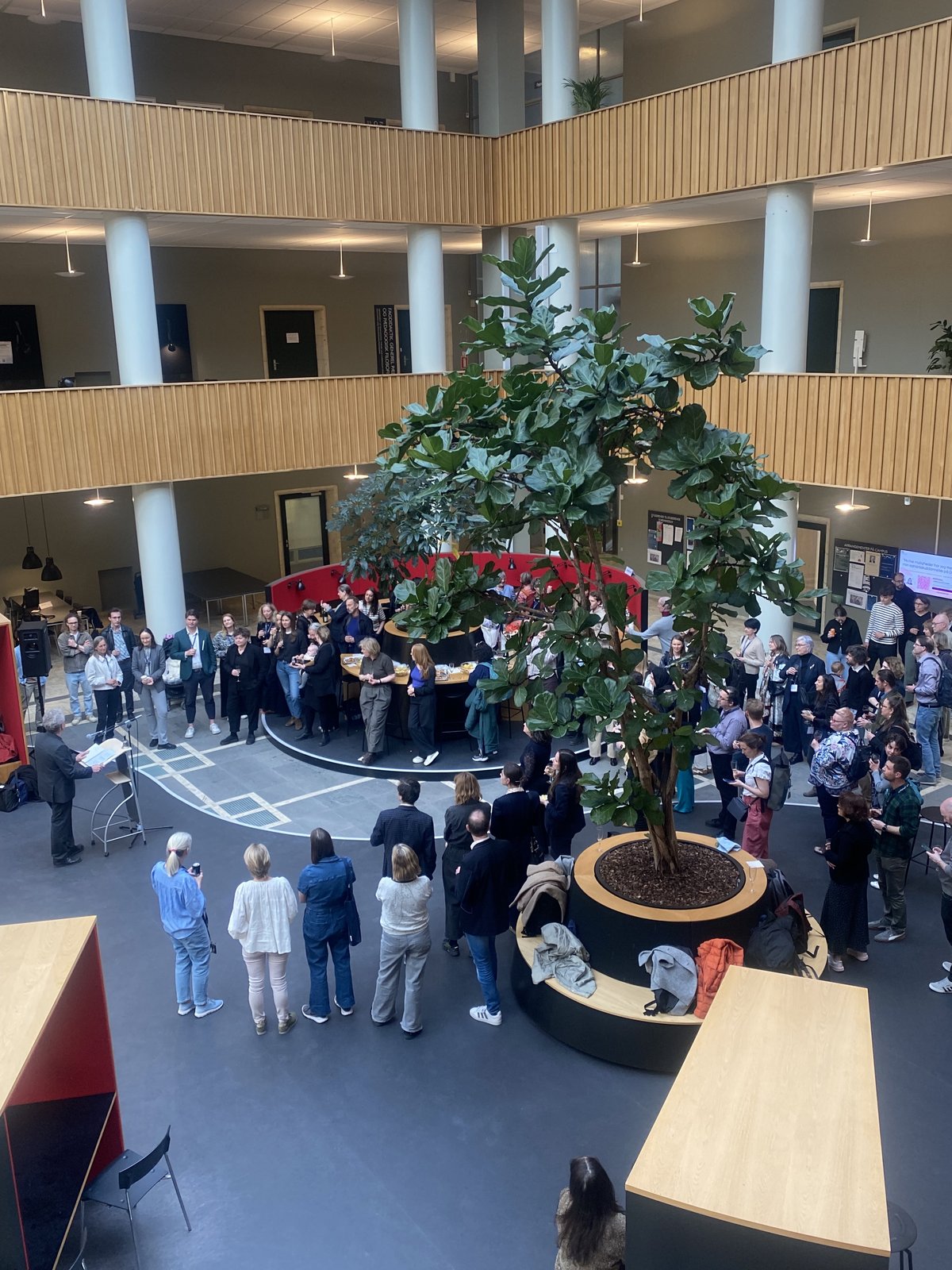
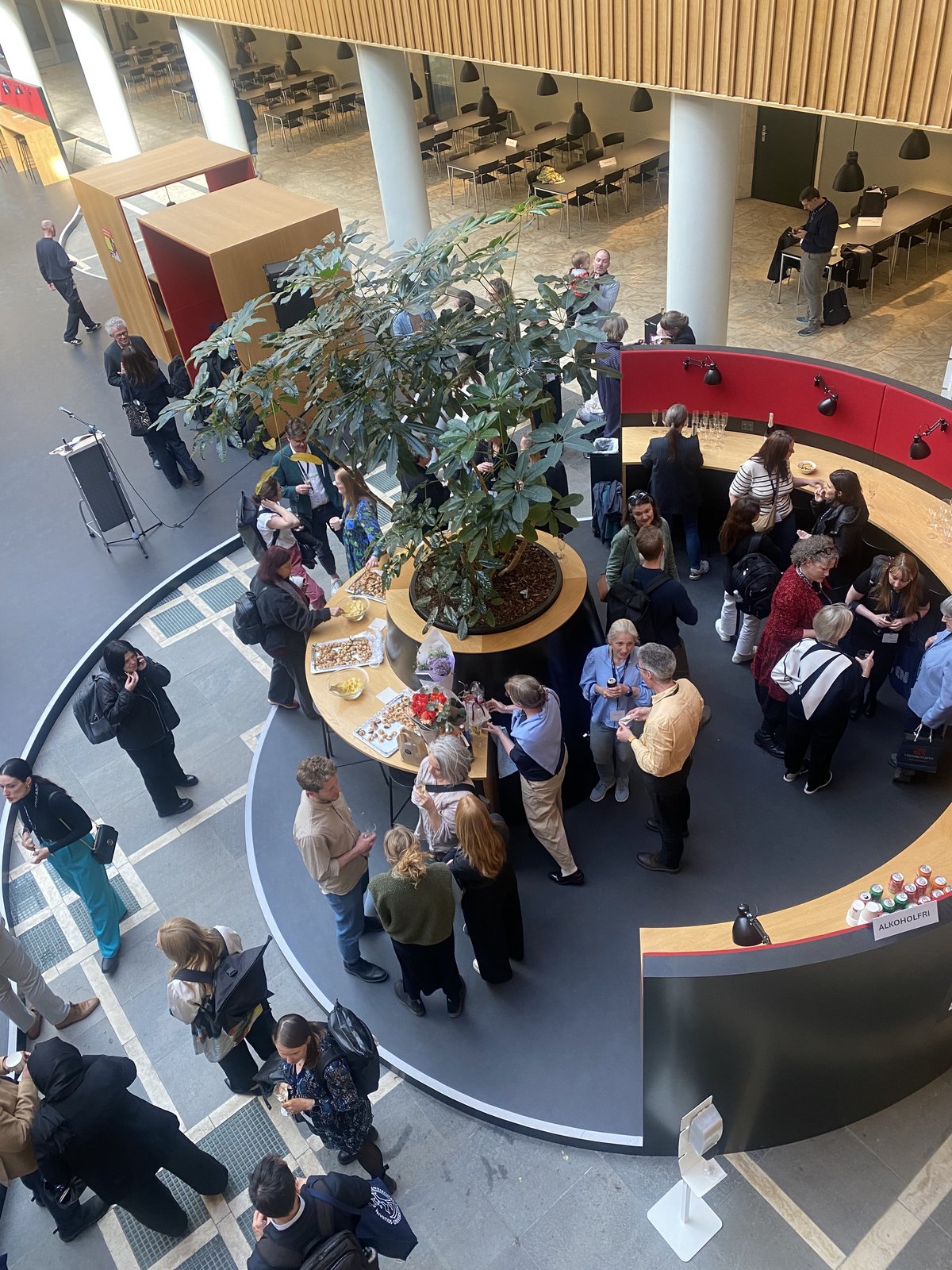
16:00-18:00: Reception hosted by Danish School of Education, Aarhus University
18:00-20:00: Dinner (Self-organized)
8:30-9:00: Welcome coffee and registration
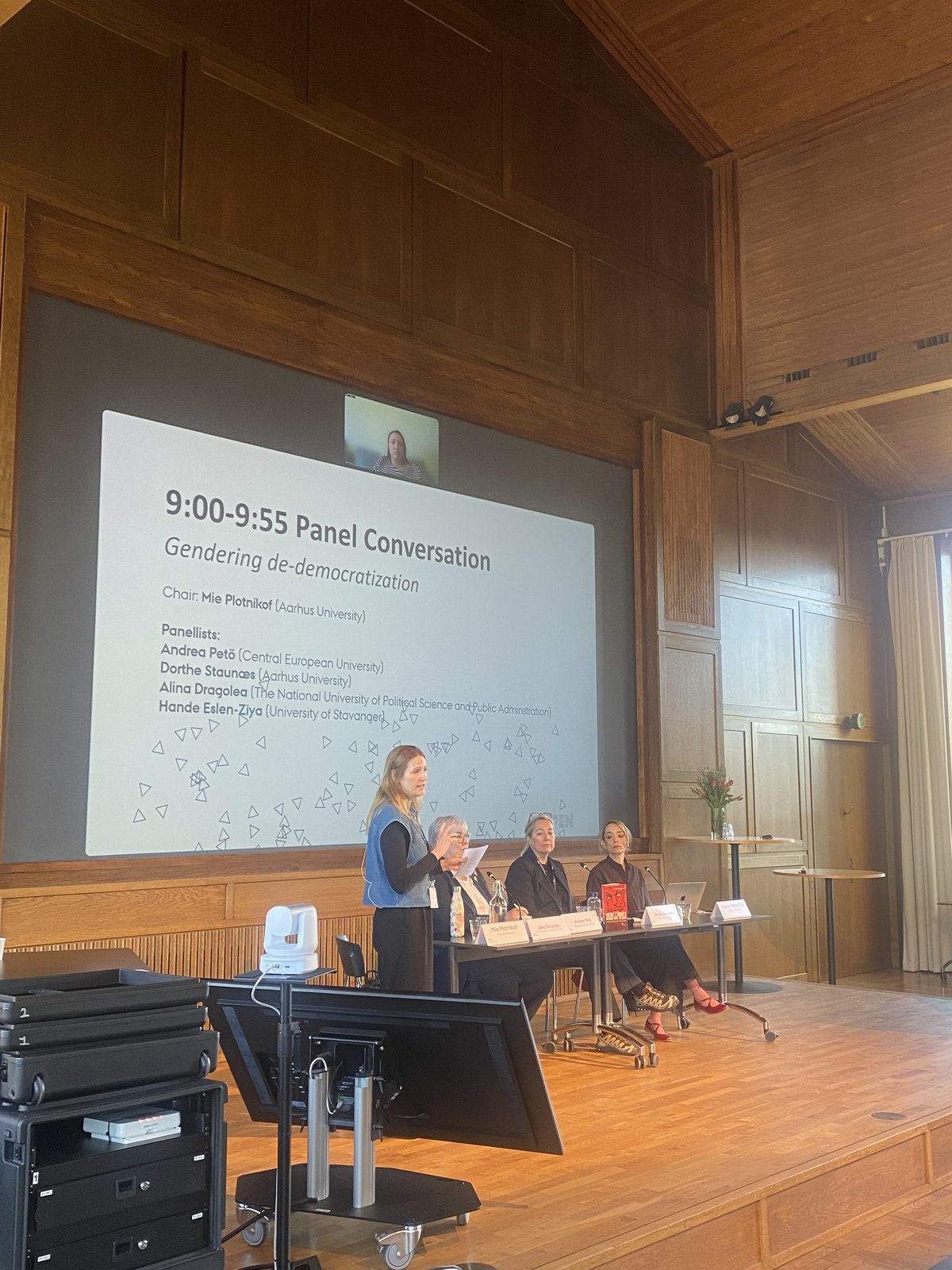
9:00-10:00: Panel conversation: Gendering de-democratization (open to public)
Panelists: Andrea Petö (Central European University), Dorthe Staunæs (Aarhus University), Alina Dragolea (The National University of Political Science and Public Adminstration, Bucharest), Hande Eslen Ziya (University of Stavanger)
Chair: Mie Plotnikof (Aarhus University)
10:00-10:45: Spotlight discussion: The case of Serbia. Academic Aspect of Socio- Political Crisis in Serbia: Reflections from Within and Abroad.
Panelists: Ivana Radić Milosavljević (University of Belgrade), Jelena Popov (UCL and IT University of Copenhagen), Vladimir Vučković (Masaryk University)
Chair: Milos Petrovic (Institute of International Politics and Economics, Centre for Euro-Atlantic Studies)
10:45-11:15: Coffee Break
11:15-12:00: Spotlight discussion: The case of the US. The United States and new turbulences in universities
Panelists: Riyad Shahjahan (Michigan State University), Kris Olds (University of Wisconsin - Madison), Simon Marginson (Oxford University and Bristol University)
Chair: Susan Robertson (University of Cambridge)
We will discuss significant developments in the United States concerning new turbulences in universities. These include nationalism, geopolitical tensions, particularly between the United States and China, the rise of new polyalignment politics, and the effects of a declining U.S.-led world order. Specifically in the United States, we will examine how internal politics and the growing criticism of universities can be understood.
12:00-13:00: News from WG’s
WG leaders presentations and reflections
Sum up and next steps
13:00-14:00: Lunch and goodbye
Early Career Scholars’ Colloquium: (For OPEN members' young Researchers and Innovators/under 40)
13:40-14:00: Coffee break
14:00-16:00: Early Career Scholars’ Colloquium and COST Registration
17:00-18:30: Dinner (ECS)
For ECS Colloquium participants at restaurant in Copenhagen (self-paid).
9:00-13:00: Morning coffe and Early Career Scholars’ Colloquium continued
(open to the OPEN projects Young Researchers and Innovators/under 40)
10:30-11:00: Coffee break
It is your own responsibility to book a hotel or find accommodation for the duration of your stay in Copenhagen.
We have created a list of recommended hotels below.
Hotel recommendations in Copenhagen:
Axel Guldsmeden Hotel:
Close to Vesterport Station, from where you can take the train directly to Emdrup Station, which is located right next to the campus where the conference will be held. https://guldsmedenhotels.com/da/axel-guldsmeden-spa-hotel/
Hotel Alexandra:
Close to Vesterport Station, from where you can take the train directly to Emdrup Station, which is located right next to the campus where the conference will be held. https://www.hotelalexandra.dk/da/vaerelser/
Scandic Copenhagen:
Close to Vesterport Station, from where you can take the train directly to Emdrup Station, which is located right next to the campus where the conference will be held. https://www.scandichotels.com/da/hoteller/scandic-copenhagen
Hotel Kong Arthur:
Close to Nørreport Station, from where you can take the train directly to Emdrup Station, which is located right next to the campus where the conference will be held. https://arthurhotels.dk/hotel-kong-arthur/
Cabinn City:
Close to Copenhagen Central Station, from where you can take the train directly to Emdrup Station, which is located right next to the campus where the conference will be held. https://www.cabinn.com/hotel/cabinn-city
Meininger Hotel Copenhagen:
Close to Copenhagen Central Station, from where you can take the train directly to Emdrup Station, which is located right next to the campus where the conference will be held. http://meininger-hotels.com/en/hotels/copenhagen/hotel-copenhagen/